
Crypto Gaming Leaders: WEMIX, Ronin, and Immutable. Who Comes Out on Top?

Crypto gaming leaders are no longer competing solely through token launches and promises of easy money. Today, the industry includes full-scale MMORPGs, collectible card games, social gaming platforms, and entire blockchain gaming ecosystems. While some projects gradually disappear, others continue attracting players and generating revenue.
Three platforms stand out in particular: WEMIX, Ronin, and Immutable. Each follows a different strategy, supports existing games, and uses its own monetization model. But which has achieved the most, where are the real players, and which business model has the strongest foundation?
WEMIX: Games First, Blockchain Second
South Korean gaming company Wemade entered the crypto industry with years of experience in traditional game development. Rather than launching a token and then searching for a reason to use it, the company began integrating blockchain economies into fully developed MMORPGs.
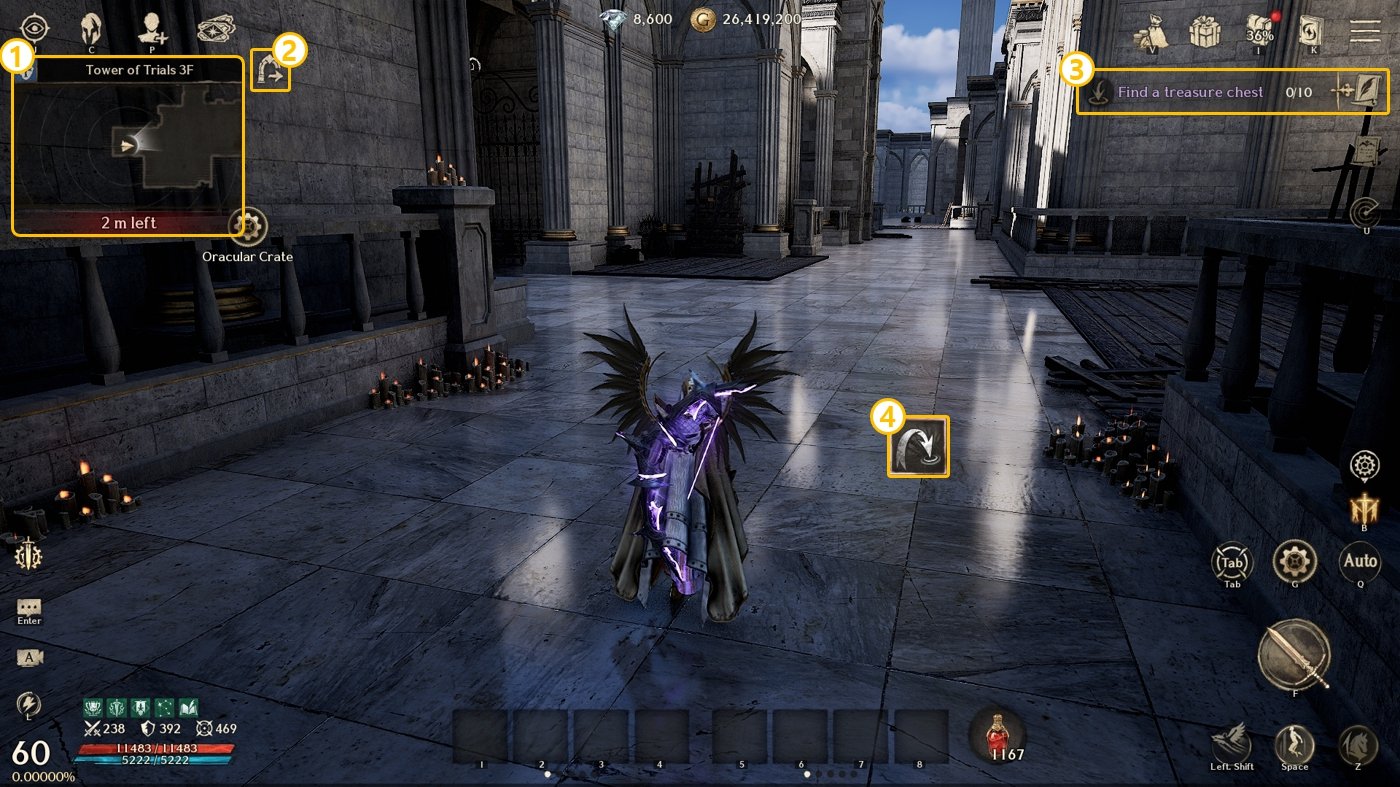
Its flagship titles include MIR4, NIGHT CROWS, and Legend of YMIR. These are expansive gaming worlds featuring character progression, guilds, large-scale battles, and player-driven economies.
NIGHT CROWS particularly caught my attention. Blockchain is directly connected to the gameplay rather than being an unrelated feature. Certain resources and in-game assets can be converted into cryptocurrency, while developed characters can be traded as NFTs.
In other words, time spent playing can potentially generate financial rewards alongside entertainment. Actual earnings, however, depend on demand, transaction fees, and the health of the game’s economy.
I’ve always enjoyed large-scale open-world RPGs and spent an enormous amount of time playing Genshin Impact. I still find it a little disappointing that its developers never introduced a full blockchain economy with freely tradable in-game assets.
That’s one reason NIGHT CROWS interests me so much. I’m planning to try it myself and see how well this system actually works, and whether an ordinary player can realistically earn anything.
But back to the numbers.
In the second quarter of 2026, Wemade generated approximately $79.4 million in revenue, while reporting an operating loss of around $15.4 million. These figures cover the entire company, including its traditional gaming business, not just WEMIX. The amounts are approximate USD conversions using the exchange rate from November 6, 2026.
That raises an interesting question. If an established company with successful games, extensive experience, and an existing audience is still reporting losses, how much harder must things be for crypto startups that haven’t even released their first game?
WEMIX’s strength: Full-scale commercial games with established audiences and functioning economies.
Its weakness: Even a substantial gaming business doesn’t guarantee profitability.
Ronin: From Axie Infinity to a Gaming Ecosystem
Ronin began primarily as the blockchain infrastructure supporting Axie Infinity. Over time, however, it evolved into a broader gaming ecosystem featuring projects across multiple genres.
Its ecosystem includes Axie Infinity, Pixels, Wild Forest, The Beacon, Ragnarok Landverse, and other titles.
Unlike WEMIX, Ronin is not primarily focused on MMORPGs developed by a single publisher. Its strategy is to attract independent studios building games on shared blockchain infrastructure.
Axie Infinity offers turn-based card battles featuring collectible creatures. Players assemble teams, choose abilities, and compete against opponents, while the creatures themselves can be traded as digital assets.
Pixels is a social farming game featuring quests, trading, and character progression. Wild Forest focuses on competitive PvP strategy battles.
Each game has its own monetization model, including digital items, NFTs, subscriptions, and marketplace fees.
In 2026, Ronin completed its transition toward Ethereum Layer 2 infrastructure. The network also introduced significant changes to its token economy, reducing annual RON issuance from 45 million to 5 million tokens and directing future incentives toward developers generating meaningful activity.
Ronin’s strength: A diverse gaming portfolio, an established community, and infrastructure designed for independent developers.
Its weakness: The network’s success depends heavily on whether its games continue attracting and retaining players.

Immutable: Building a Business Around Game Developers
Immutable has chosen an entirely different approach.
Rather than developing dozens of games itself, the company provides studios with technology for blockchain integration, digital ownership, player acquisition, and monetization.
Two well-known titles in its ecosystem are Gods Unchained and Guild of Guardians.
Gods Unchained is a collectible card strategy game where players build decks, compete in battles, and trade digital cards.
Guild of Guardians is an RPG featuring collectible heroes, dungeons, combat, and character progression.
But Immutable’s most interesting numbers aren’t tied to either of these games.
According to the company, more than 800 gaming projects use its products and technology. Naturally, that doesn’t mean all of them have launched, attracted significant audiences, or become profitable.
However, it does demonstrate the scale of Immutable’s relationships with game developers.
Studios don’t necessarily need to build their own blockchain, NFT infrastructure, or digital asset management systems. They can use Immutable’s existing solutions and focus on developing the actual game.
Immutable, meanwhile, builds its business around infrastructure, developer services, and associated monetization tools.
Immutable’s strength: A broad developer ecosystem and less dependence on the success of any single game.
Its weakness: Hundreds of connected projects do not automatically translate into hundreds of commercially successful games or a large paying audience.

Crypto Gaming Leaders: Who Actually Leads?
Here’s where things get tricky.
Some platforms report player counts. Others highlight active wallets, while others emphasize the number of developers or games using their infrastructure.
These metrics aren’t directly comparable.
One person may control several wallets, and many gameplay activities never generate blockchain transactions at all.
Rather than declaring a winner based on whichever number looks most impressive, it makes more sense to compare where each ecosystem is strongest.
| Category | Leader |
|---|---|
| Full-scale commercial MMORPGs | WEMIX |
| Diversity of gaming genres | Ronin |
| Infrastructure for game studios | Immutable |
| Direct integration of gameplay and crypto economies | WEMIX, NIGHT CROWS |
| Largest reported game development pipeline among these three | Immutable |
If you’re interested in full-scale MMORPGs where gaming achievements can potentially be converted into crypto assets, WEMIX stands out.
If you prefer exploring different genres, established gaming communities, and an ecosystem of independent studios, Ronin is particularly interesting.
And for developers looking for ready-made blockchain infrastructure, Immutable deserves serious attention.
The distinction is clear: WEMIX focuses on building games, Ronin brings independent games into its network, and Immutable provides the technology those developers need.
Three different strategies, three established ecosystems, and three very different approaches to building a business.
Personally, WEMIX has caught my attention the most, especially NIGHT CROWS. My next step is to move beyond presentations and promotional claims and test the gameplay and practical value of its blockchain economy for an ordinary player.
Sources
- Wemade: Q2 2026 Financial Results
- NIGHT CROWS: Gameplay and Blockchain Economy
- Ronin: Gaming Ecosystem
- Ronin: Transition to Ethereum
- Immutable: Gaming Infrastructure
- Gods Unchained: Official Website